 |
God Has Sent To Us One Of His Angels -- |

| |||
| |||


 | ||||||

 Firstly, we are pleased to offer this Commemorative "Collector's Edition" of the "Reflections Series" that Sissel released in 2019. It is a four disk DVD set consisting of 51 Music Videos and 51 corresponding "Talks" Videos. Please
 Secondly, we are VERY pleased to offer this four DVD Commemorative "Collector's Edition" -- "Platinum Treasures", consisting of: "Sissel w. the Tabernacle Choir", "Strålende Jul w. Sissel", and a collection of "Platinum Favorites". Please
  Thirdly, we are IMMENSELY pleased to offer this four DVD Commemorative "Collector's Edition" -- "Sissel's World", including original songs with lyrics written by Sissel herself. Please
"Sissel" is the Norwegian derivative of the English name "Cecilia" It is a rare and unusual name, commonly found in Denmark and Norway, where it is cherished for its traditional roots. The name is sometimes associated with notable figures in music and arts. Its connection to nature and strength makes it suitable for individuals that embody these qualities. Objectively, it is most commonly associated with the Latin word "caecus", meaning "blind or dim-sighted". Subjectively, however, the name is also linked to Saint Cecilia, a Roman martyr, considered to be the patron saint of music and musicians. This connection often leads to interpretations of Cecilia as representing spiritual vision, hidden beauty, or a girl with vision more than sight. It symbolizes the depth of perception beyond seeing (on the surface). The above listed three DVD collections EACH contain OVER five hours of "Angelic and Heavenly Sights and Sounds", designed to transport the listener from this world of earthly cares into Sissel's World of Ethereal Beauty. |
 |
 |
To Listen to over 500 of Sissel's Captivating Performances - Broken Down Into 18 Categories & Arranged in Chronological Order -- Please Click HERE. |
 |
|
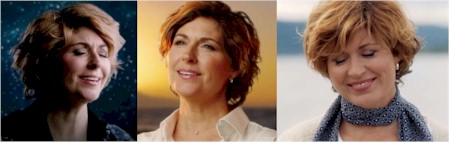
Introduction Sissel Kyrkjebø, often hailed as Norway's "national voice" or the "Nordic soprano," is a versatile singer whose crystalline vocals have bridged classical, folk, pop, and crossover genres for over four decades. Born on June 24, 1969, in Bergen, Norway, she has sold over 10 million albums worldwide, collaborated with global icons, and become a cultural ambassador for her homeland. Her career trajectory reflects the nuances of navigating local fame in a small Nordic country while achieving international acclaim, often through serendipitous opportunities like Olympic performances and film soundtracks. This biography explores her life from youth to the present day (as of January 2026), weaving in personal, family, and professional dimensions. It considers the implications of her choices --- such as balancing motherhood with touring, evolving musical styles amid commercial pressures, and her role in preserving Norwegian folk traditions --- while highlighting edge cases like her near-miss with the Titanic theme song and her enduring appeal in markets like Japan and Scandinavia. Early Life and Youth Sissel Kyrkjebø's formative years were steeped in the natural beauty and cultural richness of western Norway, shaping her resilient yet ethereal persona. Raised in the Lønborg neighborhood of Bergen Municipality, she grew up in a close-knit family that frequently embarked on hikes in the surrounding mountains, fostering a deep connection to nature that later influenced her folk-inspired music. As the youngest of three siblings --- with two older brothers, Eirik and Bjørn --- she was exposed to a diverse sonic landscape: her parents favored country and classical music, while her brothers introduced rock influences. This eclectic home environment nurtured her broad musical tastes, from Barbara Streisand's emotive ballads to Kathleen Battle's operatic precision and Kate Bush's experimental artistry. Initially, Sissel aspired to become a nurse, a practical choice reflecting Norway's emphasis on social welfare careers. However, her passion for music ignited at age nine when she joined a children's choir led by New Zealand-born conductor Felicity Laurence. Over seven years, this choir provided her foundational education, blending classical, jazz, folk, and even Maori songs to cultivate a "pure, angelic sound" reminiscent of English boys' choirs. At ten, she won a local talent competition, an early validation of her talent. These experiences highlight a key nuance: Sissel's voice developed not through formal conservatory training but via community-based, multicultural exposure, which allowed her to avoid the rigidity of elite classical paths and retain a versatile, accessible style. Implications include her ability to crossover genres seamlessly, though it sometimes led critics to question her "seriousness" as a classical artist. Her name itself carries symbolic weight: "Sissel" is a Norwegian variant of Cecilia, invoking Saint Cecilia, the patron saint of music, while "Kyrkjebø" translates to "church farm" or "church field," evoking rural, spiritual roots. This etymology underscores themes of destiny in her life story, as if predestined for a musical path intertwined with sacred and folk elements. Education and Early Influences Sissel's formal education was pragmatic, attending a commercial upper-secondary school in Bergen, which equipped her with business acumen useful for her later career management. However, her true musical schooling occurred in the choir, where Laurence's innovative methods --- mixing global styles --- broadened her horizons beyond Norway's folk traditions. This informal training contrasted with the structured paths of many sopranos, allowing Sissel to experiment early on. For instance, her choir's focus on pure tone production helped her develop the "head voice" technique that defines her signature sound, capable of effortless high notes without vibrato overload. Influences extended beyond music: Bergen's rainy climate and fjord landscapes inspired introspective themes in her work, while family dynamics taught her the value of collaboration --- lessons evident in her later duets. An edge case here is her exposure to Maori music, rare in Norwegian youth choirs, which added unique vocal inflections to her repertoire, differentiating her from peers like Sweden's Agnetha Fältskog. Family Background The Kyrkjebø family embodied typical Norwegian middle-class values: outdoor enthusiasm, musical appreciation, and sibling camaraderie. Her parents' preference for country and classical genres provided a stable, harmonious backdrop, contrasting her brothers' rock leanings, which introduced edgier elements. This blend mirrors Norway's cultural duality --- rooted in folk heritage yet open to global influences. Extended family details are sparse, but the nuclear unit's support was pivotal; her brothers' encouragement during early performances built her confidence. Implications include how this foundation helped her navigate fame's isolation, though it also highlighted gender dynamics in Norwegian society, where women in arts often balance domestic roles. Personal Life Sissel's personal journey reveals a woman prioritizing privacy amid public scrutiny, with relationships reflecting her evolving life stages. In 1993, she married Danish-American comedian and singer Eddie Skoller in a high-profile ceremony at Mariakirken in Bergen, drawing massive crowds and media frenzy --- a testament to her rising stardom. They had two daughters: Ingrid (born 1996) and Sarah (born 1999). The marriage ended amicably in 2004, amid the demands of her international career. This period illustrates nuances of work-life balance: motherhood prompted a more selective touring schedule, yet it enriched her music with themes of love and loss, as in ballads like "All Good Things." In 2013, she wed Norwegian tax lawyer Ernst Ravnaas in a private ceremony at Hov Church, signaling a shift toward stability. This union, away from the spotlight, allowed her to focus on family while maintaining professional momentum. Nuances include cultural implications --- divorce rates in Norway are high, but Sissel's handling preserved her wholesome image. Her daughters occasionally appear in her narrative, with Ingrid pursuing creative paths, suggesting a legacy of artistic inheritance. Overall, her personal life underscores resilience, as she navigated single motherhood post-divorce while touring, without the scandals that plague some celebrities. Career: Beginnings and Breakthrough Sissel's professional ascent began modestly in the 1980s, evolving from local TV spots to global stages. At 11, she appeared on the sing-along show Syng med oss (1980), followed by her solo debut on Halvsju (1983) with Barbara Streisand's "Evergreen." These early exposures built her poise, leading to prominence on programs like Ung Åslaug (1984). Her breakthrough arrived in 1986 during the Eurovision Song Contest intermission in Bergen, performing "Bergensiana" at 16 --- a moment that catapulted her to national fame. Her debut album Sissel (1986) sold over 500,000 copies, becoming Norway's bestseller, showcasing her ability to blend pop with folk. The 1987 Christmas album Glade Jul (later Jul) sold nearly 1 million copies, earning her "Name of the Year" from Dagbladet. She declined Eurovision participation for a sabbatical, a bold move highlighting her aversion to overexposure. Theater debut in The Sound of Music (1988) drew 110,000 attendees, proving her stage presence. Albums like Soria Moria (1989) solidified her in Scandinavia. Major Milestones and International Rise The 1990s marked global expansion. She voiced Disney's The Little Mermaid in multiple Nordic languages (1990s), exposing her to younger audiences. Church tours like Tidin rennur (1990s) emphasized her spiritual side. Collaboration with Neil Sedaka yielded Gift of Love (1992), though its 60,000 sales reflected stylistic risks --- pop shifts sometimes alienated classical fans. Pivotal was the 1994 Lillehammer Winter Olympics, where she sang the Olympic Hymn and "Fire in Your Heart" with Plácido, reaching millions. This led to Christmas in Vienna duets and London galas before royalty. In 1997, she contributed folk vocals to James Horner's Titanic soundtrack (over 30 million sold worldwide), though Celine Dion's "My Heart Will Go On" overshadowed her --- an edge case illustrating Hollywood's commercial preferences, yet boosting her credibility. Crossover hits included "Prince Igor" (1998) with Warren G, topping European charts by fusing opera and rap --- a innovative blend that expanded her demographic but drew purist criticism. Albums like All Good Things (2000, 300,000 copies) and My Heart (2004, Billboard Classical No. 3) cemented her versatility. Collaborations, Discography, and Awards Sissel's collaborations span genres: Domingo, José Carreras (Northern Lights, 2007), Andrea Bocelli (2019), Josh Groban (Nobel 2002), The Chieftains (1997 tours), Warren G, and the Mormon Tabernacle Choir (Grammy-nominated Spirit of the Season, 2007). These partnerships highlight her adaptability, fostering cultural exchanges --- like blending Celtic folk with Norwegian hymns. Discography includes over a dozen albums, with standouts like Strålande Jul (2009, with Odd Nordstoga, 400,000+ in Norway) and Til deg (2010, country-folk). Total solo sales exceed 10 million, strong in Scandinavia and Japan, where her pure tone resonates with audiences seeking emotional purity. Awards affirm her status: Spellemannprisen (1986, 2006), Knight of St. Olav (2005, youngest recipient), UNICEF Ambassador (2005), and a rose (flower) named after her (2009). In 2025 she was awarded the "Anders Jahre's Culture Prize". This prestigious Norwegian prize, often described as the country's largest honorary award for outstanding contributions to cultural life. Sissel was also honored at the "KK Gala 2025" annual awards event celebrating inspiring Norwegian women across various fields for their achievements, contributions, and influence. She was awarded the honorary prize during the gala for her long-standing career and cultural impact. These honors reflect Norway's pride in her, though international accolades are fewer, underscoring classical music's Eurocentric biases. In 2022 she received the "Seven Pillars of Humanity Creativity Award" in recognition for her years of humanitarian work around the world and actions representing the good in humanity. Click [ HERE ] to view a 4 minute video. Recent Activities (Up to January 2026) Post-2010, Sissel took a three-year hiatus (2010-2013) for family, returning with gospel-infused projects. In 2019, she released 50 songs weekly for her 50th birthday via Reflections, performed with Bocelli in Oslo, and toured Scandinavia and Germany for Christmas concerts. A Pioneer Day concert with the Mormon Tabernacle Choir and Allsång på Skansen appearance capped the year. Into the 2020s, she maintained an active schedule despite global disruptions. In 2025, she performed Christmas concerts in Iceland, Bergen (Grieghallen), Copenhagen (Royal Danish Theater), and elsewhere, drawing fans for her holiday classics. As of January 2026, her official site lists spring tours in Norway, including Narvik (March 19), Drammen (April 21), and others, emphasizing acoustic sets and folk elements. Social media buzz, including fan shares of her Titanic vocals and Grieg interpretations, indicates sustained popularity. No new albums are announced, but her focus on live performances suggests a mature phase prioritizing connection over chart dominance --- implications include aging gracefully in an industry favoring youth, while preserving vocal health for longevity. Legacy and Implications Sissel's life exemplifies the power of authenticity: from a mountain-hiking youth to a global soprano, she has championed Norwegian identity while embracing diversity. Her career nuances --- success in niche markets, family-driven pauses --- offer lessons on sustainable artistry. In a polarized world, her unifying voice, evoking peace and heritage, remains relevant, with potential for future projects like film scores or mentorship. As she approaches her late 50s, her story inspires, proving that purity of sound and spirit can endure. |
|



Overview of Sissel Kyrkjebø's Vocal Technique Sissel Kyrkjebø's vocal technique is a captivating blend of natural talent, informal training, and intuitive artistry, resulting in a signature "crystalline" sound that has earned her descriptors like "angelic," "ethereal," and "pure." As a crossover soprano, her approach defies strict categorization, drawing from classical foundations while incorporating folk, pop, and contemporary elements. This versatility allows her to navigate genres seamlessly, from operatic arias to folk ballads and film soundtracks, often evoking deep emotional resonance without overt dramatics. Her technique emphasizes clarity, control, and emotional authenticity over technical showmanship, making her voice accessible yet profoundly moving. Multiple angles reveal nuances: it's rooted in classical principles but shaped by eclectic influences; prioritizes health and sustainability for longevity; and adapts to live, studio, and collaborative contexts. Implications include her ability to sustain a 40+ year career without vocal strain, broad appeal across cultures (e.g., strong following in Japan and Scandinavia), and a model for aspiring singers balancing artistry with well-being. Edge cases, such as performing in extreme conditions (e.g., outdoor Olympics) or aging gracefully into her 50s, highlight her adaptability, though critics sometimes note a lack of "edgy" depth in favor of polish. Training and Development Sissel's vocal foundation was laid early and organically, without the rigors of formal conservatory education, which sets her apart from many classical sopranos like Renee Fleming or Cecilia Bartoli. She began singing naturally as a child, influenced by family music exposure --- her parents' love for country and classical, brothers' rock preferences, and radio broadcasts. At age nine, she joined a children's choir in Bergen led by New Zealand-born conductor Felicity Laurence, where she received her first structured musical training over seven years. Laurence's innovative methods emphasized multicultural repertoire (including Maori songs, jazz, folk, and classical) and the joy of group singing, fostering a "pure, angelic sound" akin to English boys' choirs. This community-based approach prioritized ensemble harmony and emotional expression over individual technique drills, allowing Sissel to develop a versatile, unforced style. She credits this period with building her confidence and broadening her horizons beyond Norwegian folk traditions. By age 16, she debuted professionally with her self-titled album, transitioning singing from hobby to career while still in school. Sissel has described her voice as "very classical," with technique based on classical principles, yet she never pursued elite opera training. Instead, her development was experiential: performing on TV as a child, theater roles (e.g., Maria in The Sound of Music), and collaborations that challenged her range. Nuances include the pros of this path --- retaining natural purity and avoiding over-technical rigidity --- but cons like occasional critiques of lacking "operatic depth." Implications: Her informal training enabled crossover success, appealing to non-classical audiences, but might limit roles in strict opera houses. As she aged, self-directed practice and selective projects have refined her technique, demonstrating evolution from youthful brightness to mature warmth. ****** Key Technical Elements ****** Vocal Classification and Range Kyrkjebø is classified as a lyric soprano with crossover capabilities, blending classical foundations with contemporary flexibility. Her voice is often described as "light lyrical," emphasizing agility and clarity over the dramatic heft of full operatic sopranos. While rooted in classical principles, she has not pursued elite opera training, opting instead for a versatile "very classical" approach that adapts to diverse repertoires. Her vocal range spans approximately three octaves, demonstrating remarkable breadth from lower mezzo-soprano registers to stratospheric highs. Specifically, she sweeps from mezzo-soprano notes (e.g., in arias like "Mon Coeur S'ouvre A Ta Voix" from Saint-Saëns: Samson et Dalila) up to the F natural above high C (F6, a whistle-register extension). High-note compilations highlight her prowess in the A5 to E6 range, where she maintains melody and control rather than mere volume. For instance: A5: Featured in various performances, often with effortless floating quality.
Lower extensions shine in songs like "If I Can Help Somebody," while full-range displays occur in "Koppangen", where she navigates from deep, resonant lows to shimmering highs. This range allows her to tackle operatic demands (e.g., Puccini arias) alongside folk kulning-inspired calls, as in her Titanic contributions, which echo Scandinavian cattle-calling techniques for an otherworldly effect. Edge cases include her ability to sustain extremes without strain, though critics note her voice avoids the "yell" of some high-note specialists, prioritizing melodiousness. Her timbre is often called "crystalline" or "ethereal," characterized by a bright, clear quality that evokes purity and lightness, similar to a flute or harp. In high registers, she employs a light mix and head voice for an angelic tone, stretching vocal cords delicately rather than pushing for power. She could access chest voice for earthier tones but often chooses head voice purity, as in folk songs where she brings head resonance down for seamless blending. Examples: In "Solveig's Song" from Grieg's Peer Gynt, her range conveys longing through soaring highs; in Titanic's soundtrack, her wordless vocals add haunting sadness with mid-to-high ethereal wails. Nuances: This range allows genre versatility but requires careful management to avoid strain in lower extensions. Implications: Enhances emotional storytelling, making abstract feelings visual through sound; edge cases include live acoustics amplifying timbre (e.g., church tours) versus studio layering for added depth. Vocal Technique Kyrkjebø's technique is grounded in classical training, focusing on breath support, vowel purity, and relaxed production. In her 1991 rendition of Edvard Grieg's "Solveig's Song," vocal coach Freya Casey praises her use of a "bright, light tone" with subtle nasal resonance, avoiding excessive pharyngeal space to keep the sound focused and clear. She employs pure vowels (e.g., a clean /e/) without darkening or covering, enhancing brightness, and maintains a relaxed jaw that lifts naturally for compression without tension. Breath control is exemplary: She takes deep, early breaths to utilize full lung capacity, enabling sustained phrasing in slow tempos, as noted by voice teacher Valerie White Williams, who likens it to "spinning out a spider web" with "so much breath" yet remaining "calm and present." Her vibrato is "ideal" --- not too fast, slow, wide, or narrow --- but a "shimmering" one that adds beauty without overwhelming the line, particularly on high notes like the "ease" on high A in "Solveig's Song." Lip movement is natural and forward for rounded vowels, balancing consonants without exaggeration. Nuances include her handling of octave jumps with relaxation, opening space beforehand to avoid strain, and dynamic subtlety --- lightening top pitches for effect rather than pushing. In crossover contexts, she varies techniques slightly, leaning more contemporary while preserving classical core, as in her film vocals where wordless layers create emotional depth without lyrics.
Edge considerations: Her technique suits intimate art songs over grand opera, where a "full-on opera" sound might overpower; instead, she opts for "classical sound" with orchestra, avoiding "spinning vibrato" common in operatic interpretations. Tone Quality and Timbre Universally lauded as "crystalline," "pure," "angelic," and "clear as a Norwegian glacier," Kyrkjebø's tone evokes a "voice of an angel" or "heavenly choir." It features a bright, shimmering quality with a "purity of tone" that reflects innocence and fragility, especially in youthful performances. Analysts note its "ring" and "clarity," amplified by controlled air-stream and posture, creating a "balm-like" effect. In highs, it's "floaty" and "stunning," not pushed but "letting it shimmer out." Lower registers add warmth, as in folk pieces, while her timbre adapts: brighter for classical, ethereal for film scores. Implications include accessibility --- her tone draws non-classical listeners --- though some purists might find it less "dramatic" than opera voices. Style and Versatility Kyrkjebø's crossover style encompasses pop, folk, classical, operatic arias, jazz, church music, and multilingual songs in over a dozen languages (e.g., Norwegian, English, Swedish, Latin, Maori). She embodies "core sound" across genres, varying subtly between classical and contemporary without losing technique. Examples: Operatic in "O mio babbino caro," folk in "Shenandoah," pop in duets with Neil Sedaka. Her versatility implies broad appeal, bridging cultural divides, but raises debates on "authenticity" in pure genres --- e.g., her "not full opera" style suits art songs like "Solveig's Song" perfectly. Emotional Expression and Phrasing Kyrkjebø excels in conveying nuance, infusing dynamics with "life in each pitch" through accents, tender shifts (e.g., medium forte to piano on highs), and embodiment of themes like hope or loss. In "Solveig's Song," she captures Solveig's purity and anticipation, with "inner joy" and "hopeful" fullness in verses. Phrasing is "exquisite," avoiding monotony, as in her Titanic vocals that evoke tragedy through "timeless, spiritual" layers. Stage presence adds charisma: "humble sweetheart" with "radiant" spirit. Related considerations: Her expression thrives in slow, intimate pieces but adapts to upbeat ones, influencing listeners' emotional engagement. Vibrato and Control Her vibrato is a hallmark: shimmering, fast, and slightly sharp, adding brightness and emotional intensity without overwhelming the note. It often blooms at phrase ends, creating a fluttery, "butterfly-wing" effect that heightens expressiveness. Unlike wide operatic vibrato, hers is controlled and subtle, suiting folk and pop where straight tones dominate. In "Slow Down," it contributes to a transcendent feel, evoking peace amid stillness. Control extends to dynamics --- she masters pianissimo for delicacy, avoiding belting for a gentle, floating quality. Nuances: Sharp vibrato can sound "edgy" in recordings but live, it adds warmth; over-reliance might limit dramatic roles. Implications: Builds listener immersion, as in Christmas hymns where vibrato mimics bell-like resonance; related considerations include cultural preferences (e.g., Scandinavian folk favors minimal vibrato for authenticity). Breath Support and Phrasing Breath control is effortless, enabling long, sailing phrases with minimal interruption. She uses gentle, controlled breaths, maintaining stillness and grace, often supported by diaphragmatic technique from classical roots. In performances like "Pie Jesu," her phrasing flows like a natural exhale, conveying serenity. Examples: Collaborations with the Mormon Tabernacle Choir showcase this, where her voice "floats" above orchestration. Nuances: Choir background aids ensemble breathing, but solo work demands independence; edge cases like high-altitude venues (e.g., Olympics) test support. Implications: Promotes vocal longevity, reducing fatigue; teaches aspiring singers the value of "stillness" for emotional depth. Placement, Resonance, and Articulation Placement involves a gentle mix transitioning to light head voice, with stretched cords for delicacy. Resonance is forward and bright, using raised soft palate for wide vowels (e.g., bright "E"s requiring back-mouth space). Articulation is soft: she morphs consonants quickly into pure vowels for clarity and flow, avoiding harsh attacks. In "O Mio Babbino Caro," this creates operatic elegance without strain. Nuances: Folk influences add nasal resonance for authenticity, contrasting classical openness; multilingual singing (e.g., Nordic Disney dubs) refines diction. Implications: Enhances intelligibility in cross-cultural work; edge cases include adapting to microphones versus acoustic halls, where placement prevents feedback. Influences and Singing Approach Influences span genres: classical for technique, folk for storytelling, pop/rock for energy, and nature (Bergen's landscapes) for introspection. Artists like Barbra Streisand, Kathleen Battle, and Kate Bush shaped her emotive delivery. Her approach: select music that "touches her heart and soul," infusing personal stories for authenticity. She embraces collaborations (e.g., with Placido Domingo, Warren G) to learn styles, united by music's emotional power. Nuances: Crossover risks alienating purists but expands reach; implications: Models genre fluidity in a segmented industry. Vocal Health and Maintenance Sissel maintains her voice through rehearsal, fitness, relaxation, and balanced living, viewing it as "two small muscles" sensitive to physical/mental states. Singing uplifts mood, relieving stress, but tension hinders performance. She avoids overwork, taking hiatuses (e.g., 2010-2013 for family). Nuances: Nature-inspired calm aids recovery; edge cases like touring in cold climates (Norway winters) require warm-ups. Implications: Exemplifies sustainable artistry, inspiring vocalists to prioritize holistic health for career endurance. Examples and Applications Folk/Classical: "Solveig's Song" ---- Pure head voice, subtle vibrato evoke Norwegian melancholy.
Related Considerations Age and Evolution: Her young voice (e.g., 1991) is "pure" and "fragile," maturing into fuller resonance while retaining clarity; comparisons show consistency across decades.
Implications and Legacy Kyrkjebø's voice has redefined crossover, making classical accessible and inspiring vocalists in hybrid genres. Her "purest female voice" influences film scoring and humanitarian performances, fostering cultural unity. As a "once-in-a-lifetime" talent, she embodies vocal completeness: technical mastery, emotional depth, and versatility, with implications for education (e.g., teaching "purity" in coaching) and global music diplomacy. Sissel's technique is a testament to natural gift honed by experience, offering lessons in versatility, health, and emotion-driven artistry. Her voice remains a bridge between traditions, with ongoing relevance in 2026 through tours and potential new projects. |
|
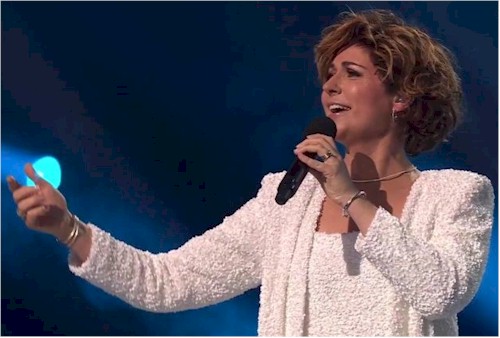
Sissel Kyrkjebø, the international singing sensation and national treasure of Norway, is established as one of the world's leading crossover sopranos. Her angelic and powerful voice has made her a national institution. She has contributed haunting vocals for the soundtrack to "Titanic" and "The Lord of the Rings", as well as selling over ten million solo albums. In 2006, her album, "The Spirit of the Season" with the Mormon Tabernacle Choir went to number one on the Billboard Classical Charts, and received a Grammy nomination. She captivated the whole nation of Norway in 1986, when she sang during the break at the Eurovision final in Bergen - only 16 years old and dressed in a white bunad (traditional Norwegian folk costume). Since then, her fame and success have just continued to soar. She has been praised and acclaimed at home and abroad, and masters both the small and the very large formats -- everything from American TV shows to film music. Her singing knows no bounds - she masters all genres - from opera to rap! She has sung all over the world, and has performed duets with singers like Charles Aznavour, Andrea Bocelli, Jose Carreras, Placido Domingo, Mario Frangoulis, Josh Groban, Brian May, Neil Sedaka, Bryn Terfel, Russell Watson and rapper Warren G. Her list of achievements makes you dizzy -- ranging from Schubert to Deep Purple - "O mio babbino caro" to "Udsigter fra Ulrikken". Truly a very remarkable talent and voice that only comes once in our lifetime! It is difficult to say anything that hasn't already been said about Sissel, but "National Treasure" and "Voice of Norway" are two of the terms used about the "girl from Bergen". In 2005, she was knighted by the King of Norway, being the youngest ever to receive this honor. In 2022 she received the "Seven Pillars of Humanity Creativity Award" in recognition for her years of humanitarian work around the world and actions representing the good in humanity. Click [ HERE ] to view a 4 minute video. On June 28, 2025, Sissel finally performed with the Kristiansand Symphony Orchestra - on the island of Stangholmen - during the Risør chamber music festival. This was her first appearance at this six day festival. In 2025 she was awarded the "Anders Jahre's Culture Prize". This prestigious Norwegian prize, often described as the country's largest honorary award for outstanding contributions to cultural life, was presented to her alongside two other musicians. The total prize amount was NOK 1.5 million, shared among the three recipients. She also received a hand-calligraphed diploma and a beautiful watercolor by Håkon Gullvåg. Sissel was also honored at the "KK Gala 2025" annual awards event celebrating inspiring Norwegian women across various fields for their achievements, contributions, and influence. She was awarded the honorary prize during the gala for her long-standing career and cultural impact. Sissel starred as Maria von Trapp in the 1988 Norwegian production of, "The Sound of Music" at Chateau Neuf in Oslo -- Click [ HERE ]. She also provided the official dubbing and singing voice for Ariel in the Danish, Norwegian and Swedish language versions of Disney's animated film, "The Little Mermaid" in 1989 -- Click [ HERE ]. In 2026, Sissel was involved in a Norwegian animated Christmas film entitled, "Julenissens Verksted" (The Christmas Elf's Workshop / Santa's Workshop). It marks her return to voice acting in a film after more than 35 years. It is described as a family-friendly film full of humor, Christmas atmosphere, and a warm holiday message. Sissel provides the voice for the grandmother (farmor). This is a new experience for her --- being involved from the early stages (when only sketches existed), unlike her previous voice work. She has spoken positively about the project.
|
 | -- MANY FRAMED -- [ HERE ]. It is a VERY large file, over 1 Gb |
| PLEASE NOTE: In the event that a large window containing an ad should appear in the middle of the download screen, simply click on the white "X" above the upper right corner of the ad to close the ad. ****** PLEASE - Be sure to read the "IMPORTANT NOTICE.txt" in the .ZIP file !! | |
 |  |  |
 |  |  |
 |  |  |
 |  |  |
 |  |  |
 |  |  |
 |  |  |
 |  |  |
 |  |  |


